When hearing begins to change, the process of coming to terms with it often involves more than noticing the physical effects. Many people experience a range of emotions and thoughts that can affect how they approach seeking help. Being aware of these psychological factors can influence the way someone manages their hearing health and the support they pursue.

Deciding to address hearing difficulties is a personal choice shaped by factors like lifestyle, social interactions and self-perception. Some individuals may feel concerned about how others will react, while others may wonder if interventions will truly fit their daily routines. Understanding these common considerations can help create a more supportive approach for those navigating hearing changes, whether they are exploring solutions for themselves or assisting a family member.

How Emotions Can Shape Your Response to Hearing Loss

Emotions can influence how people adjust to hearing loss in many ways. Some may feel uncertain or cautious at first, while others are motivated to explore solutions that support their daily life. Curiosity and a desire to maintain clear communication can encourage individuals to seek guidance and try new strategies. Positive feelings, like relief at finding support, can make the process of adapting easier. Understanding how emotions shape responses to hearing changes helps people approach their hearing health thoughtfully.

People’s reactions to hearing loss are often shaped by their personal experiences and priorities. Some may take time to observe changes, while others actively look for ways to maintain independence and stay connected with others. Emotional awareness can support smoother adaptation to hearing aids or communication strategies. Encouragement from family, friends and hearing specialists can make adjustments feel more manageable. Recognizing the role of emotions allows for a balanced and proactive approach to hearing health.

The Impact of Personal Beliefs on Choosing Hearing Aids

Your beliefs about hearing aids can play a big part in your decision. If you think hearing aids are only for older people or worry they will draw attention, you may feel unsure about trying them. These beliefs can sometimes prevent you from seeking the support that could improve your daily life. Being open to learning and trying new solutions can help you find options that fit your needs. On the other hand, holding onto negative ideas about hearing aids may make it harder to accept helpful devices or delay getting support.

The Role of Past Experiences with Hearing Devices

Past experiences with hearing devices can have a strong influence on how someone approaches new hearing solutions. Positive experiences, like clear sound and comfort, can build confidence and encourage continued use. On the other hand, previous challenges like difficulty adjusting or device discomfort may make someone more cautious or hesitant. These experiences shape expectations and affect how open a person is to trying updated technology or new strategies. Understanding the impact of past experiences can help both individuals and hearing instrument specialist find approaches that feel more manageable and effective.

The Influence of Age and Lifestyle on Acceptance

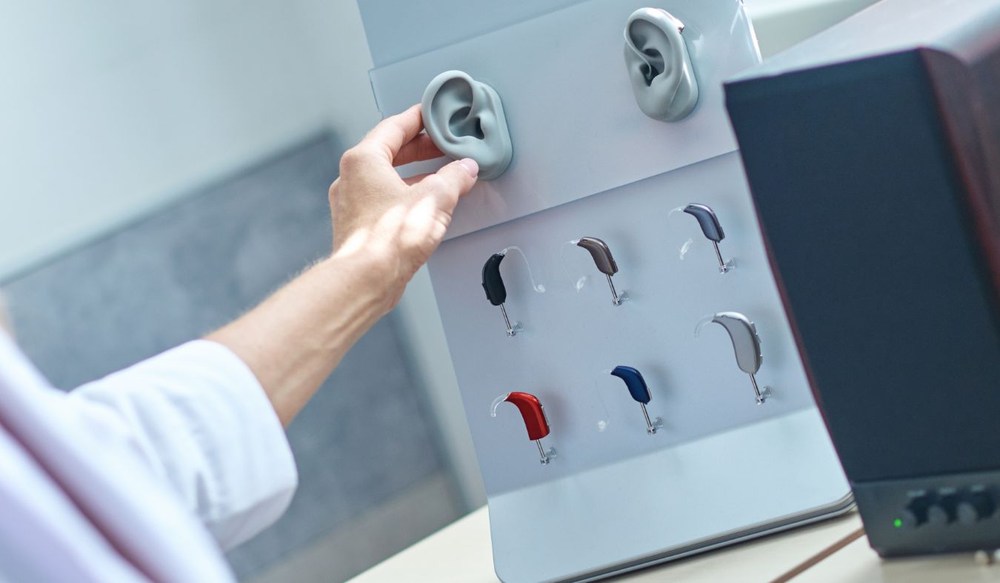
Your age and daily activities can affect how ready you feel to use hearing aids. Younger people may worry about appearance or how devices will fit into busy routines. If you have an active lifestyle, you might wonder if hearing aids will work well during sports or social events. Today’s hearing aids come in many styles and are designed for different needs. A hearing instrument specialist can help match you with a device that fits your age, activities and style, making it easier to use them every day.

Addressing Common Concerns About Wearing Hearing Aids

Many people who are new to hearing aids share similar concerns, like whether the devices will feel comfortable, if others will notice them or how difficult they will be to manage day to day. These questions are natural and often come from uncertainty about what to expect. Modern hearing aids are designed with comfort and discretion in mind, and many models are smaller and more advanced than ever before. Taking time to understand how they work and what adjustments may be needed can help ease those initial worries.

Another common concern is whether hearing aids will actually make conversations clearer in different settings. While no device can eliminate every challenge, today’s technology is built to reduce background noise and improve speech understanding, making social interactions more enjoyable. It may take some practice and adjustment, but most people find that their confidence in communication grows over time. Addressing these concerns openly helps create a smoother path toward accepting and benefiting from hearing aids.

How Support from Family and Friends Can Guide Your Decision

Support from family and friends can make a big difference when deciding whether to use hearing aids. Loved ones often notice changes in your hearing before you do and may encourage you to seek help. They can offer honest feedback, attend appointments with you and help you feel more comfortable with your choices. Knowing that those close to you care about your well-being can boost your confidence as you decide what is best for your hearing health.

Social Settings and Their Role in Daily Hearing Aid Use

Social situations can influence how often you wear your hearing aids. Being around others at gatherings, work meetings or events often highlights the need for clear communication. When you feel comfortable and supported in these settings, you are more likely to wear your hearing aids regularly. Using your devices in group situations helps you stay involved in conversations and enjoy activities with others, making daily life easier and helping you feel more connected.

Building Confidence When Starting with Hearing Aids

Starting with hearing aids can feel like a big change, but confidence grows with time and support. Many people worry about adjusting or if others will notice their devices. Feeling unsure at first is normal, but taking small steps can help you feel more comfortable each day. Try wearing your hearing aids at home and in quiet places before wearing them in busier settings. Celebrate progress, even small successes. If questions or concerns come up, talk with your hearing instrument specialist for guidance and encouragement. Your efforts matter as you get used to this new experience.

Practical Tips for Adjusting to New Hearing Devices

Getting used to new hearing devices takes time and patience. Each day may bring small changes, but progress is possible. Begin by wearing your hearing aids in quiet places like at home before using them in busier areas. Practice listening to familiar sounds like the television or a family member’s voice. Gradually add more challenging situations, like group conversations or outdoor activities. Each step helps your ears and brain adjust to new sounds around you.

Moving Forward with Confidence in Your Hearing Health

Accepting hearing aids often means working through emotions, beliefs and thoughts about self-image. It is common to have questions or doubts along the way. Understanding your own feelings and getting support from those around you can help make this process easier and build confidence in your choices.

If you are considering hearing aids or feel unsure about what to do next, speaking with a hearing instrument specialist can provide information and reassurance. Personalized guidance can address any concerns and support you as you work toward better hearing health. Taking a step toward improved hearing can have a positive impact on your daily life.