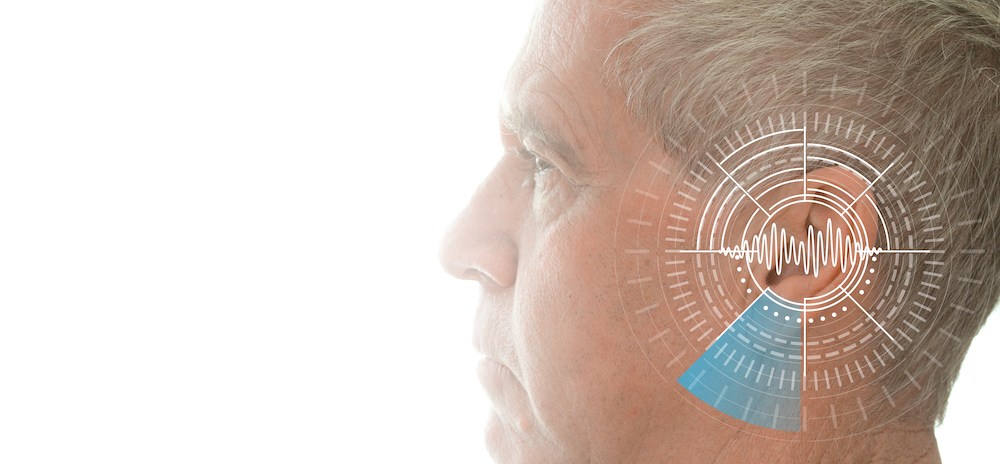
If you’ve ever noticed a ringing, buzzing or hissing sound that no one else in the room seems to hear, you’re not alone. Tinnitus is the term for those sounds that seem to come from nowhere and belong to no outside source, and it’s one of the most common hearing-related experiences people report.

It can show up differently for everyone, and the way it affects focus, sleep or daily comfort varies quite a bit from person to person.

What is Tinnitus?

Tinnitus is the perception of sound when there isn’t an external source producing it, and people experience it in different ways, from ringing or buzzing to a faint whooshing or humming. It can come and go or feel more constant, and the pitch and intensity can vary depending on the person and the situation they’re in.

For some, it becomes noticeable in quiet settings when there’s less background sound to compete with it. It’s often linked with changes in the auditory system, including exposure to loud noise or age-related hearing changes.

Common Causes and Risk Factors Linked to Tinnitus

Tinnitus has many possible causes. Some of the more common ones include long-term noise exposure, earwax buildup, certain medications and age-related hearing loss. It can be hard to know on your own which factor is affecting you.

Meeting with a hearing specialist for a full hearing check and health history review is a good way to sort this out. During this visit, you can learn about what is causing your tinnitus and discuss a plan that may include sound therapy, hearing aids or changes in habits.

Types of Tinnitus Sounds and What They May Indicate

Tinnitus can show up in a few distinct sound patterns, and each one tends to give slightly different clues about what’s happening. A high-pitched ringing or tone is one of the most common and is often associated with changes in hearing sensitivity or exposure to loud sound.

There’s also pulsatile tinnitus, which follows a steady beat that lines up with the heartbeat and is usually more noticeable in quiet settings. These differences matter because the way the sound presents can help a hearing specialist narrow down what might be contributing and decide what kind of support or evaluation makes the most sense.

Sound-Based Therapies and Devices That May Ease Tinnitus

Sound-based approaches can help make tinnitus less noticeable by giving the brain something steady to focus on instead of the ringing or buzzing. Devices like hearing aids with built-in sound support can introduce gentle amplification of environmental noise, which often makes internal sounds blend into the background more naturally.

Other options include sound generators or apps that play steady, neutral audio like soft noise, nature sounds or low-level ambient tones, which many people use during quiet moments or at night. The goal isn’t to block anything out completely but to shift attention so the sound becomes less intrusive, especially in quieter settings where it tends to stand out more.

Other Treatment Options Including Counseling and Relaxation

Support can go beyond devices or clinical care, especially when stress or frustration starts to build around communication challenges. Counseling gives people space to talk through what they’re experiencing and find ways to adjust, whether that’s improving conversations or finding strategies that make social situations feel less difficult.

Relaxation techniques can also play a part, helping the body stay calmer so attention and focus aren’t constantly pulled in different directions. Things like guided breathing, mindfulness or yoga during the day can make it easier to stay present and engaged when listening takes more effort.

Working with a Hearing Instrument Specialist on a Tinnitus Care Plan

A tinnitus care plan often comes together through collaboration with a hearing specialist, who can help tailor strategies based on how your symptoms show up. The focus is usually on finding ways to make sounds feel more manageable and less noticeable over time.

These can include:

  • Reviewing hearing and listening patterns to understand what situations feel most challenging.
  • Exploring sound options that can help shift attention away from ringing or buzzing sensations.
  • Adjusting hearing devices, if used, to better balance background sound and speech clarity.
  • Discussing simple lifestyle changes that may reduce how noticeable tinnitus feels in quiet settings.
  • Checking in overtime to refine the approach as needs change.

Finding the Right Treatment for You

Understanding tinnitus and treatment options gives you a clearer path forward instead of feeling stuck with constant ringing or buzzing. Sound therapy, hearing aids, counseling and healthy daily habits can work together to help your brain pay less attention to tinnitus so daily life feels easier.

If tinnitus is starting to affect your sleep, focus or mood, meeting with a hearing specialist can be a useful next step. During a visit, you can review your symptoms in detail, receive a full hearing test and talk through which treatment options match your lifestyle and goals.