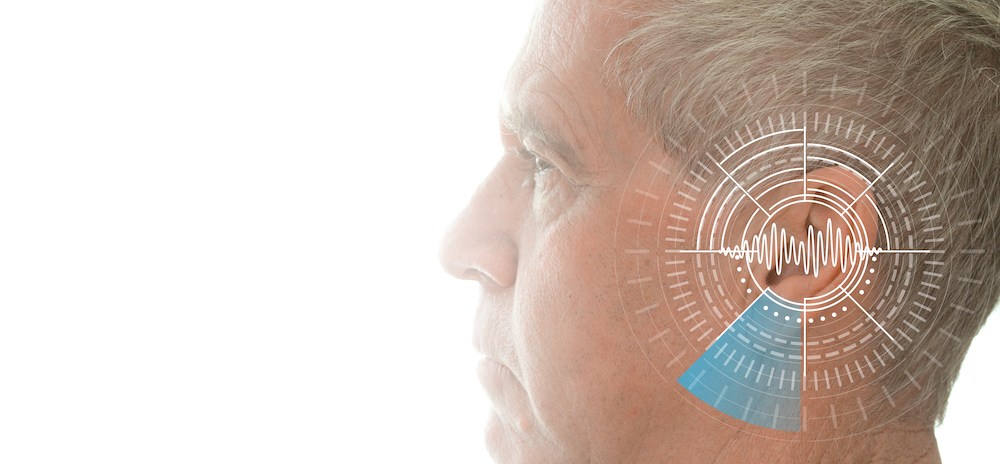
Hearing changes rarely feel sudden and are often noticed in small, routine moments. You might ask someone to repeat themselves, miss part of a conversation in a busy place or turn the volume up slightly without giving it much thought.

These experiences can blend into the background, which is why they are easy to overlook at first. Recognizing these patterns earlier can give you a clearer sense of what is happening and help you understand your options moving forward.

Why Early Hearing Loss Detection Matters

Early detection helps you stay involved in conversations, keep up at work and enjoy time with friends without feeling worn out from listening so hard. It can also lower the risk of mix ups, like missing safety alarms or important instructions.

Some people delay getting checked because they feel nervous about what the results might show or worry about needing hearing aids. There can also be concerns about budget or the time needed for appointments. These feelings are common and understandable.

How Untreated Hearing Loss Can Strain Communication and Relationships

Conversations can start to break down in more direct ways when you’re only catching parts of what’s being said. You might respond to the wrong thing or answer out of context, which can confuse the person you’re talking to and change the tone of the interaction.

Instead of a natural back-and-forth, it turns into more repeating, correcting or just letting things go to avoid the effort. That can lead to frustration on both sides. You may feel like you’re constantly trying to keep up, while the other person may feel like they aren’t being heard or understood.

The Connection Between Hearing Loss and Mental Health

Untreated hearing loss affects more than how well you hear sounds. Research links it to a higher risk of feeling lonely or anxious. When it is harder to follow conversations, you may start to pull back from social activities, which can affect mood and confidence.

You can use hearing care as part of a simple checklist to support your overall well-being:

  • Notice if you feel worn out after conversations or start avoiding social events.
  • Pay attention if you feel more irritable, sad or worried when you cannot follow what others say.
  • Ask trusted friends or family if they see changes in your mood or how often you join in.
  • Schedule regular hearing checks so changes are tracked.

Common Early Signs of Hearing Loss

Common early signs of hearing loss often show up in how effortful listening starts to feel in specific situations. You might notice conversations are harder to follow when multiple people are talking at once, or that you rely more on watching someone’s face to understand what they’re saying.

Certain sounds, especially softer consonants, can seem less distinct, which changes how words are perceived even when volume isn’t the issue. Some people become aware of subtle changes in how they respond, like answering slightly off topic because part of a sentence didn’t come through clearly.

How a Hearing Test Can Spot Changes in Your Hearing Sooner

A hearing test can find small changes in your hearing before they cause bigger problems in your life. During the test, a hearing specialist checks how well you hear different tones and speech sounds at various volumes.

The results are shown on a chart called an audiogram. This chart gives a clear picture of your current hearing levels across different pitches. By comparing this chart over time, your hearing specialist can see even slight changes, suggest care early and help you choose tools that are right for you.

Benefits of Starting Hearing Care Early with a Hearing Specialist

Starting hearing care early with a hearing specialist can make a difference in how well you stay involved in different environments that rely on clear sound. It also gives you a chance to address changes before they start affecting communication more noticeably.

Benefits of starting early:

  • Helps identify hearing changes early, before they become more disruptive in conversations.
  • Allows hearing aids or devices to be fine-tuned instead of making sudden adjustments later.
  • Makes it easier to adapt to hearing technology at a comfortable pace.
  • Supports clearer communication in work, social and family settings.

Taking Charge of Your Hearing Health Starts Today

Early hearing loss detection gives you more choices about how you want to live and communicate. When changes are found sooner, you can protect your relationships and support your overall well-being. Small steps like regular hearing checks and healthy listening habits help you stay ahead of problems instead of waiting until they affect many parts of life.

If you have noticed any signs of hearing loss, it may be a good time to consider a hearing check with a hearing specialist as they will be able to diagnose and treat your hearing loss. Even if any changes are mild, having a baseline test makes it easier to spot changes early and decide on support if needed.