Traveling doesn’t have to be more complicated when you wear hearing aids. Whether it’s a weekend trip, a busy airport or a new city, some preparation can help your devices work as they should.

New environments can create challenges, like different acoustics, background noise or situations where hearing clearly is important, like following directions or talking with new people.

Keeping your hearing aids and accessories organized and ready makes it easier to manage these situations.

Planning ahead can reduce stress and help your devices perform reliably. This approach allows you to focus on the practical aspects of your trip while making sure you can hear what you need along the way.

How Different Types of Travel Can Impact Your Hearing Aids

Different types of travel can affect how your hearing aids perform because each setting brings its own conditions.

Air travel, for example, often involves changes in air pressure and long periods in dry cabin air, which can impact how your ears feel and how sound is perceived.

Road trips can expose your devices to constant background noise from the engine and wind, making it harder to focus on speech. In busy public spaces like airports or train stations, large crowds and overlapping announcements can challenge how clearly you hear important information.

The environment you travel through can also affect the physical condition of your hearing aids.

Warm, humid climates may increase moisture buildup, while colder conditions can drain batteries more quickly. Dust, sand or sudden weather changes can also interfere with how your devices function if they are not protected.

Safe and Convenient Ways to Pack Your Hearing Aids

When you keep them protected and easy to reach, you lower the chance of damage and make your whole trip feel smoother.

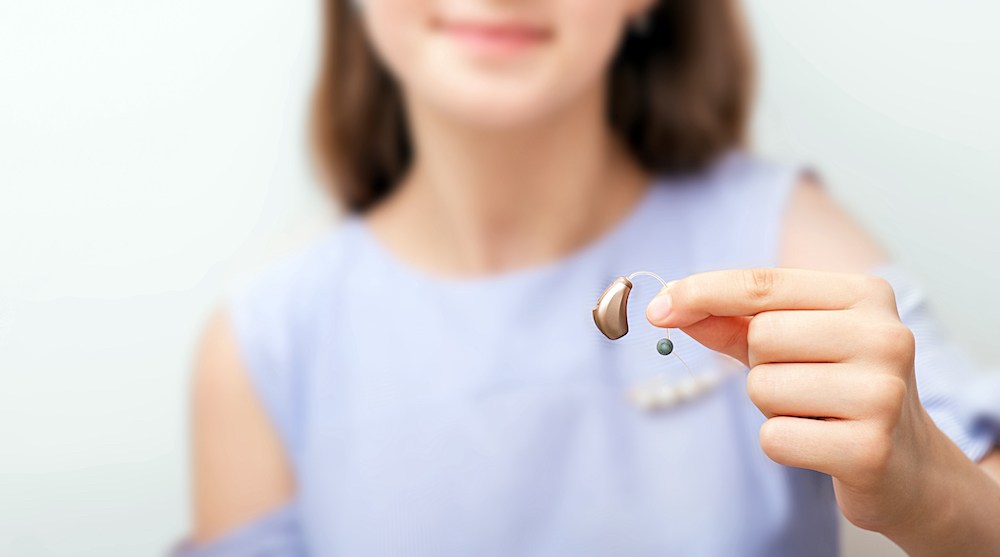
Use a hard protective case for your hearing aids any time they are not in your ears, and keep that case in your carry on bag instead of checked luggage. Keep small items together by using a travel pouch for batteries, chargers, cleaning tools and a simple written list of your device model and your hearing instrument specialists contact information.

If you use rechargeable hearing aids, pack the charger, any needed cables and a small outlet adapter if you are going to another country.

For battery powered devices, bring at least twice as many batteries as you think you will need so you do not have to search for them in an unfamiliar place.

Keeping Hearing Aids Clean and Dry in New Environments

New places often mean new kinds of dust, sweat and moisture that your hearing aids may not deal with at home. A quick check and wipe down can help prevent weak sound, whistling or sudden shut offs that might interrupt your plans.

Use a soft dry cloth each night to wipe away sweat, sunscreen, or makeup and use a small brush or tool from your cleaning kit to clear the microphone openings.

In humid areas or near water, store your hearing aids in a drying jar or electronic dryer when you sleep, so moisture does not build up inside tiny parts and cause corrosion or repairs later on. Clean and dry devices work better with all the accessories you bring.

Helpful Accessories for Hearing Better in Airports and Stations

Helpful accessories can make busy airports and stations less stressful and help you catch important sounds.

Small tools like personal microphones, Bluetooth streamers, phone apps can help you hear gate changes, boarding calls or platform announcements more clearly in loud spaces.

Neckloops or wireless streamers can send sound from your phone or tablet straight to your hearing aids so you can listen to airline apps, train updates or video calls without turning the volume way up.

Simple items like a hard case with a clip, extra batteries in a small pouch and a printed card that explains your hearing loss can also make travel smoother by lowering the chance of missed messages, lost devices or rushed conversations at check in counters and security lines.

Making Hotel Rooms Easier to Manage with Hearing Aid Friendly Tools

Hotel rooms can feel unfamiliar, especially when it comes to managing sound and important alerts. Many hotels offer hearing aid friendly tools like visual alarm clocks, amplified phones or devices that signal when someone is at the door.

Asking about these options when you check in can make the space easier to navigate and help you stay aware of what is happening in your room. These tools are often available upon request and can be set up quickly to match your needs.

Once you are in the room, a few simple adjustments can make things more manageable. Placing your hearing aids in an easy-to-reach spot, like a nightstand, helps you access them quickly when needed.

It can also help to test any alerting devices before settling in, so you know they are working as expected.

Simple Travel Checklist for Your Hearing Aids and Accessories

A simple checklist can help you see at a glance what you need for your hearing aids before you leave home. Writing it down and checking items off can lower the chance of forgetting something important, especially if you are packing in a hurry or late at night.

Use this list as a starting point and adjust it to match your own devices and travel plans:

  • Hearing aids plus any backup devices
  • Hard protective case and small travel pouch
  • Extra batteries or portable charger and power bank
  • Bluetooth streamer personal microphone or neckloop
  • Phone or tablet with hearing aid apps updated

Reviewing it the day before you leave gives you time to add anything that fits your plans like extra batteries for longer vacations or more cleaning supplies for hot or humid places.

Travel with Hearing Aids Starts with Smart Preparation

Travel with hearing aids can feel smoother and less stressful when you have a clear plan and the right tools in place.

Simple habits like packing a hard case extra power options cleaning supplies and helpful add on devices can make it easier to stay connected in airports on long rides and in hotel rooms.

If you are planning a trip or want to build a travel kit for your hearing aids, schedule an appointment with a hearing instrument specialist. You can also ask about backup options in case something happens to your hearing aids while you are traveling.